15 of The Most Recent Discoveries From Within This Wet Rock of Ours
Like our incredibly upset significant other, these archaeologists, geologists, and every other “ologist” out there are really throwing the past right in our faces. Mental health experts seem to agree that dwelling on the past is futile, but if these folks keep drumming up highly interesting finds, they deserve a pass. We’ll tell their therapists to take it easy on them.
Historians and scientists might not be so kind though. Earthly discoveries can sometimes rewrite our history and understanding of the natural world, which might inadvertently negate some poor saps life work. Don’t worry, little buddy. You were working with the best info you had available to you at the time. Take this list, for example. This batch of gems from 2025 can only stay fresh for so long. 2026 might bring discoveries that question these findings, and we’re just going to have to be okay with that.
A 2700 year-old Greek Noblewoman’s burial site
Greek Ministry of Culture
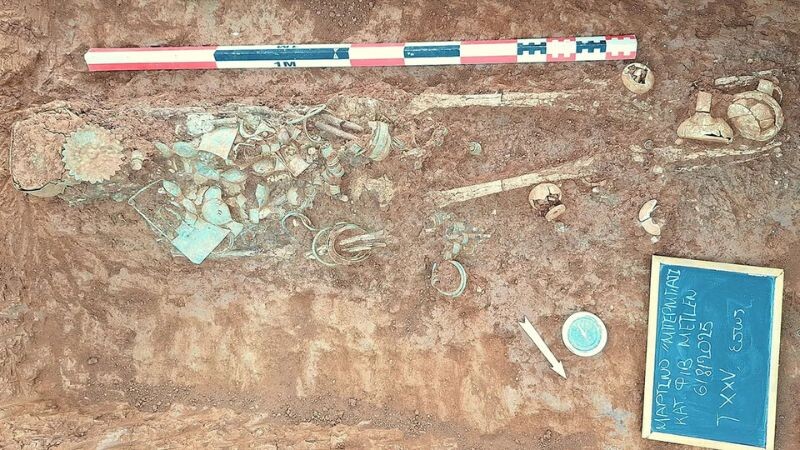
In late November, 2025, archaeologists discovered the 2,700 year-old burial site of a woman wearing a bronze crown placed upside down on her head (which could be a rare and symbolic funerary detail). She was buried with jewelry, beads, copper earrings, amulets, and a bronze pin. The tomb adds to understanding of power structures, social upheaval, and ritual/burial customs in Greece during the Archaic period.
A perfectly-preserved 53 million year-old gecko
Wikipedia
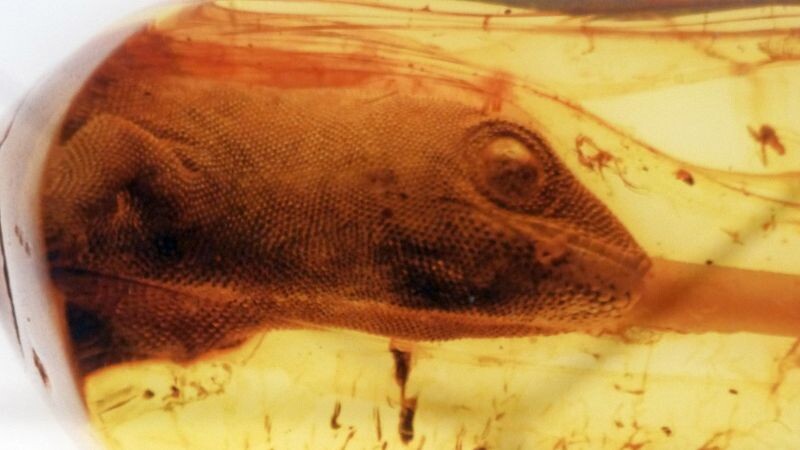
A remarkably well-preserved gecko from the Lower Eocene period was found trapped in Baltic amber in Russia. It’s the first of its species ever found, and with its primitive digits, it proves that geckos had climbing abilities very early on. This greatly advances our understanding of reptilian evolution.
A lost world was found under Antarctica
YouTube
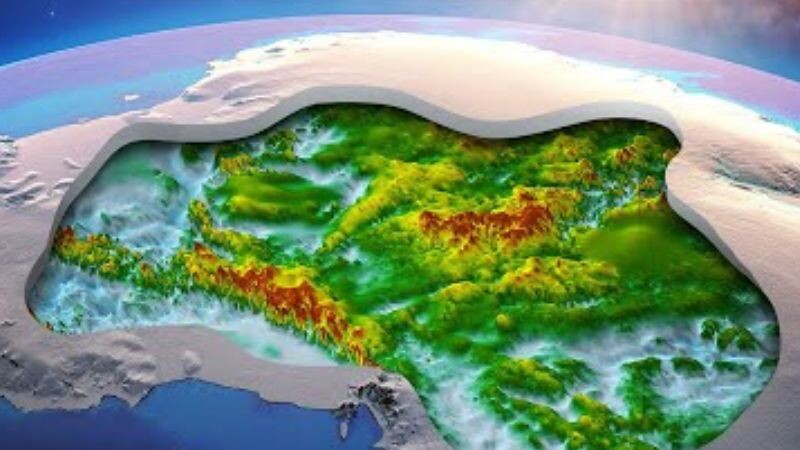
Under a mile of Antarctic ice, scientists uncovered a hidden 12,000 square-mile landscape that hasn’t seen sunlight in over 34 million years. Researchers used satellite scans and ice-penetrating radar to find this stretch of valleys and ridges that may have once supported rivers, forests, and life.
The pink bumpy snailfish
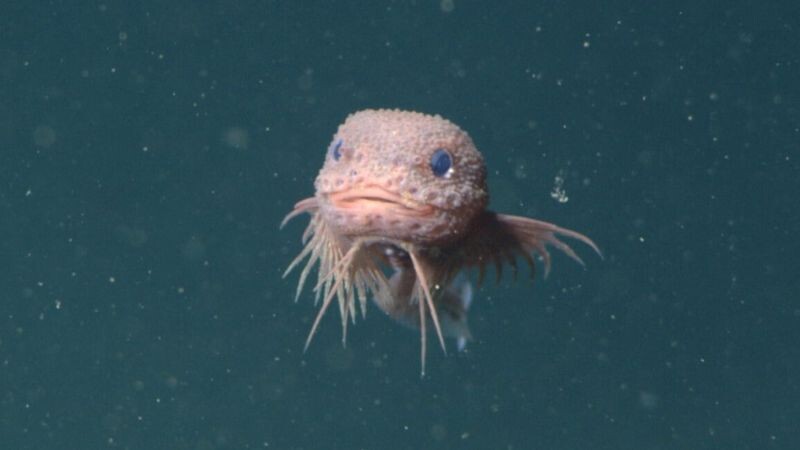
Photo Credit: MBARI’s remotely operated vehicle "Doc Ricketts"
On September 26, 2025, researchers identified three previously unknown species of deep-sea snailfish — including this striking “pink bumpy snailfish” living thousands of meters below the Pacific surface.
Hundreds of previously unknown bacteria strains
In 2025, scientists have been able to identify hundreds of unknown bacteria strains from a single forest soil sample. A few of which could potentially form new antibiotics. Experts say that this is especially important, since antibiotic resistance is rising worldwide, and it proves that soil is a largely untapped source of medical breakthroughs.
How half-billion year-old reefs were built
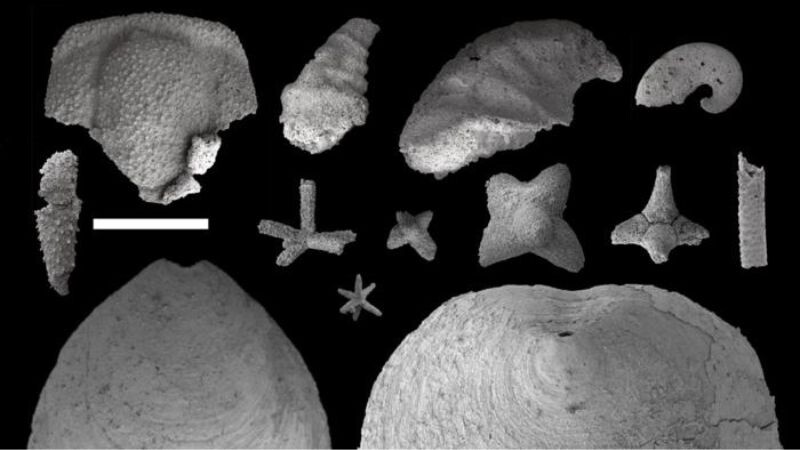
SARAH JACQUET
On June 12, 2025, scientists uncovered new evidence about how ancient reef-like ecosystems may have formed. They studied how tiny, fossilized sea creatures called “small shelly fauna” (some of the earliest animals with hard shells ever found on Earth) were building the planet's earliest reefs over 514 million years ago.
An endangered whale’s amazing migration
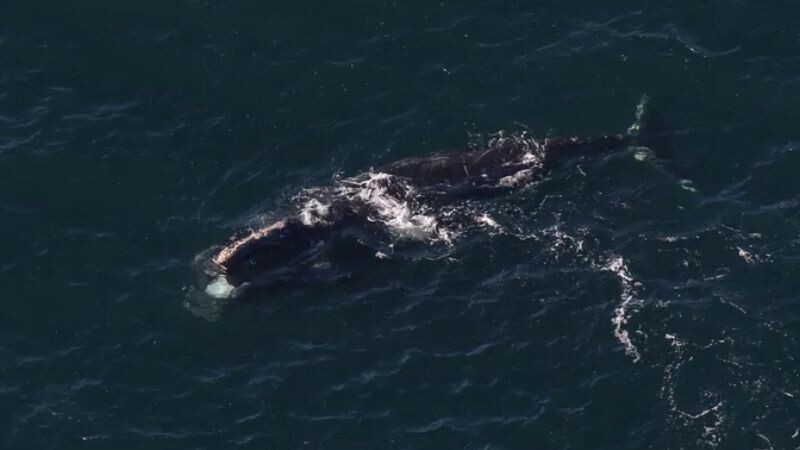
Center for Coastal Studies
This right whale, photographed off the coast of Boston on November 19, 2025, was previously photographed in Donegal Bay, Ireland, in July 2024. Researchers say this 3,000-mile journey is the first they’ve ever seen from a North Atlantic right whale (which have a population of under 400). Experts say that this journey offers new insights into whale migration patterns — information that is crucial for conservation efforts.
A new venomous spider in California
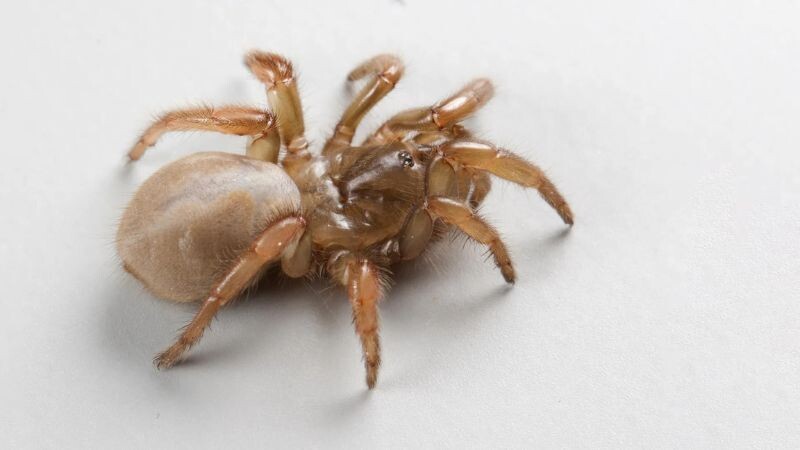
Emma Jochim/UC Davis
At the University of California - Davis, scientists found a new trapdoor spider species (Aptostichus ramirezae) living under California’s dunes. Its venom isn’t considered deadly to humans, but a bite would be about as painful as a wasp or bee sting.
Fossils show that dinosaurs were thriving when the asteroid hit
For much of the past century, scientists thought dinosaurs were already in decline long before the asteroid impact ended their reign. However, scientists say that a new study of fossils in New Mexico shows that distinct “bioprovinces” of dinosaurs existed until the very end. Their extinction was sudden, not gradual.
Parasitic wasps are spreading across the U.S.
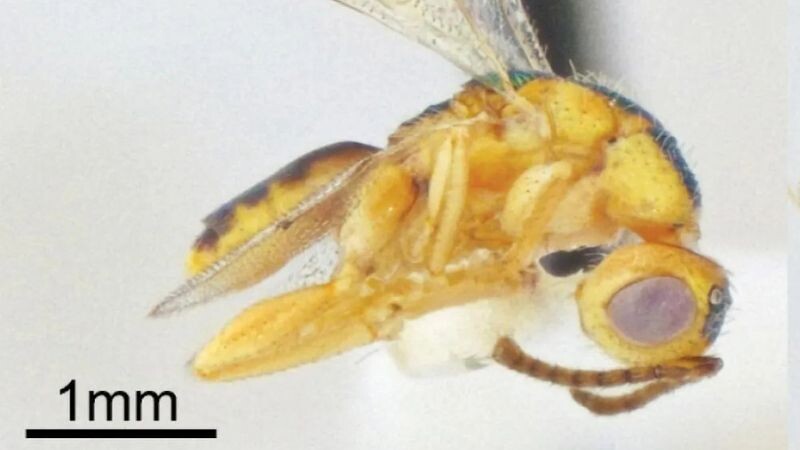
Journal of Hymenoptera Research
Two species of Bootanomyia dorsalis wasps were recently found to have been introduced to North America from Europe. They’re killing North American gall wasps at alarming rates, and disrupting natural ecosystems.
Scientists discover what could be the next pandemic threat

Shutterstock
On June 25, 2025, scientists discovered new viruses in bats inhabiting orchards in southwestern China. Two new viruses are closely related to the deadly Nipah and Hendra viruses, which are pathogens that can cause severe brain inflammation and respiratory disease in humans.
A Jurassic-era fly changed what we know about evolution
A 151 million year-old fly in Australia reveals that freshwater insects may have first evolved in the Southern Hemisphere. Named Telmatomyia talbragarica, the fossil shows freshwater adaptations previously thought to exist only in marine species.
Ancient Egyptian “pleasure boat”
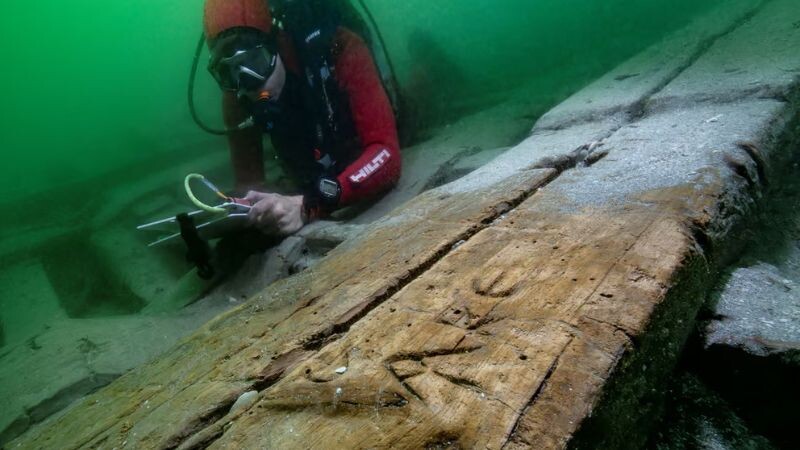
Christoph Gerigk & Franck Goddio/Hilti Foundation
Submerged off the coast of Alexandria, the 35 meter-long vessel features a central pavilion and likely required over 20 rowers. It dates back to the 1st century AD and archaeologists say it offers rare, unprecedented insight into luxury, ritual, and ceremonial culture of the early Roman-period Egypt.
A 2400 year-old “sacrificial complex”
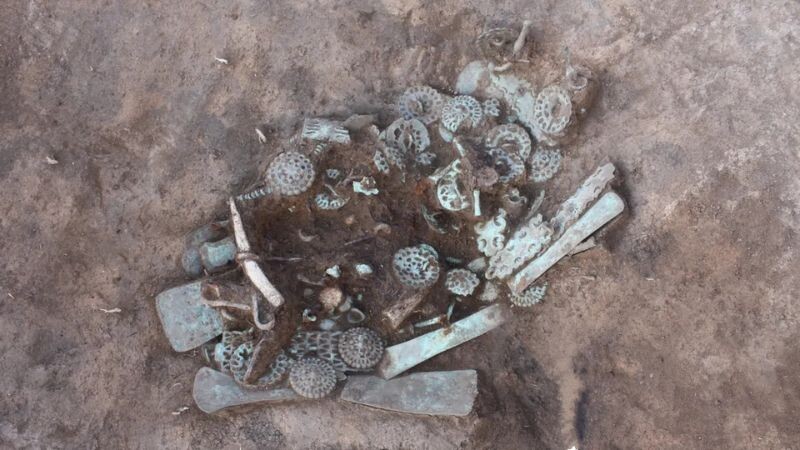
Institute of Archaeology of the Russian Academy of Sciences
In the summer of 2025, archaeologists unearthed the richest site of nomadic-era funerary/ritual practices ever discovered. This deposit in the southern Ural Mountains included hundreds of pieces and ornaments from between the fourth and third centuries B.C. It sheds new light on how ancient nomadic societies buried and commemorated their dead, including ritual practices and trade connections.
The glow-in-the-dark mini pocket shark
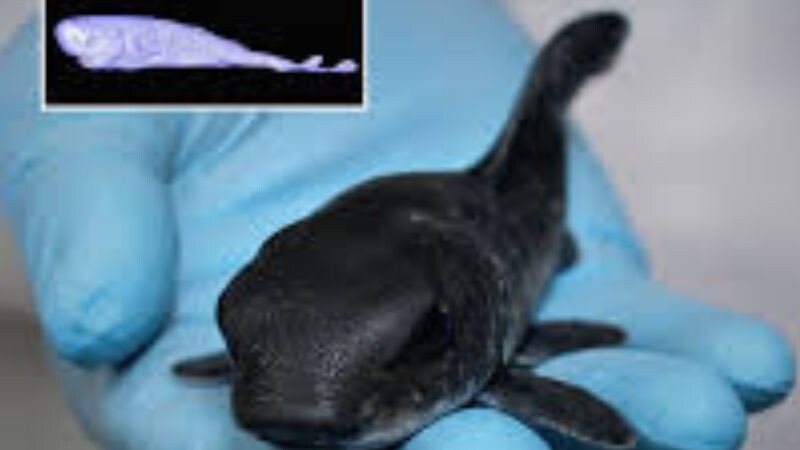
The NOAA
The mini pocket shark or “Mollisquama Mississippiensis” is only the second of its kind ever recorded. Found in the inky black depths of the Gulf of Mexico, this 14-centimeter (5-inch) predator lures its unsuspecting prey by mimicking faint sunlight.
