These Are The Jokes People Told In 1977
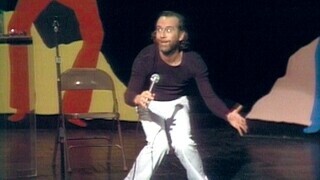
Humor evolved a lot during the seventies thanks to the rise of a lot of stand-up comedians and variety talk shows, which weren't even a thing a few years earlier. The Tonight Show and other legendary programs would feature some of the best comedians in the world for a few minutes, giving people enough material to be the life of the party for months.
With the popularization of TV, it was a time of change, and while stand-up remained as a powerful force, TV skits and characters that would only last an episode were starting to take over that decade's humor. So, these are the jokes people told in 1977.
The Tonight Show
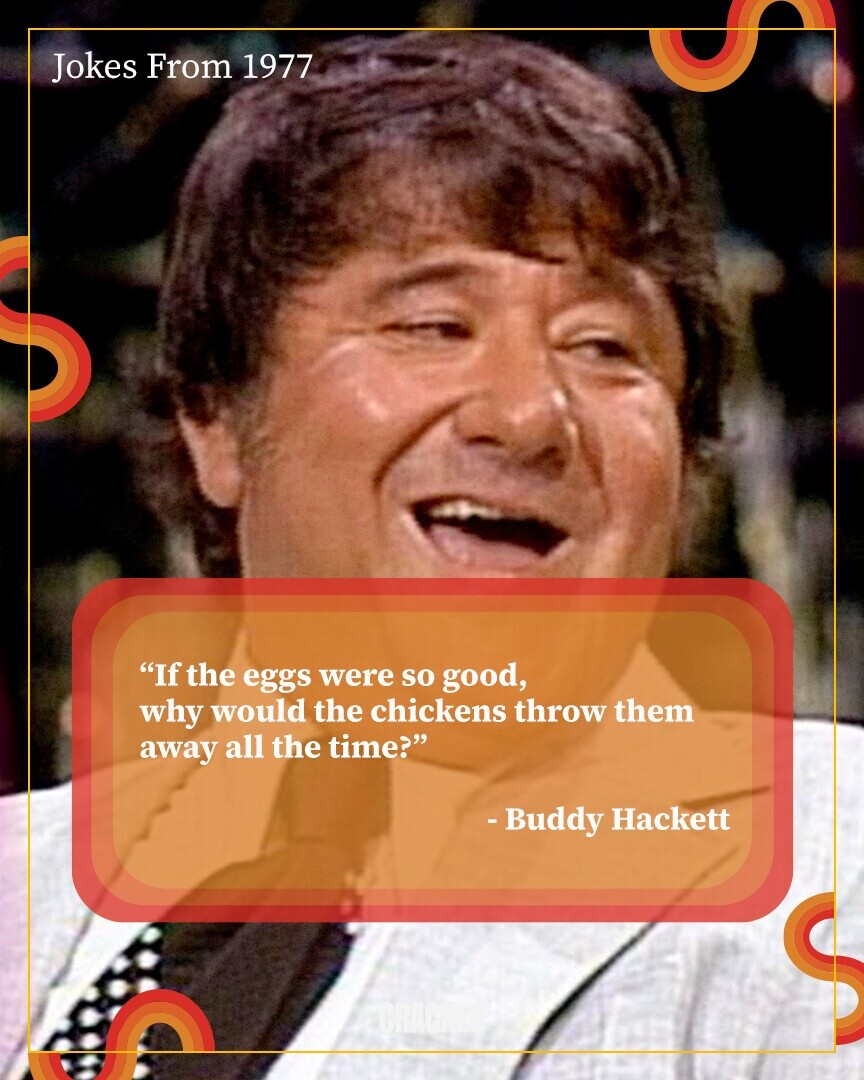
Some of the best comedians in history joined Johnny Carson on The Tonight Show to make people laugh uncontrollably.
Observational Carlin
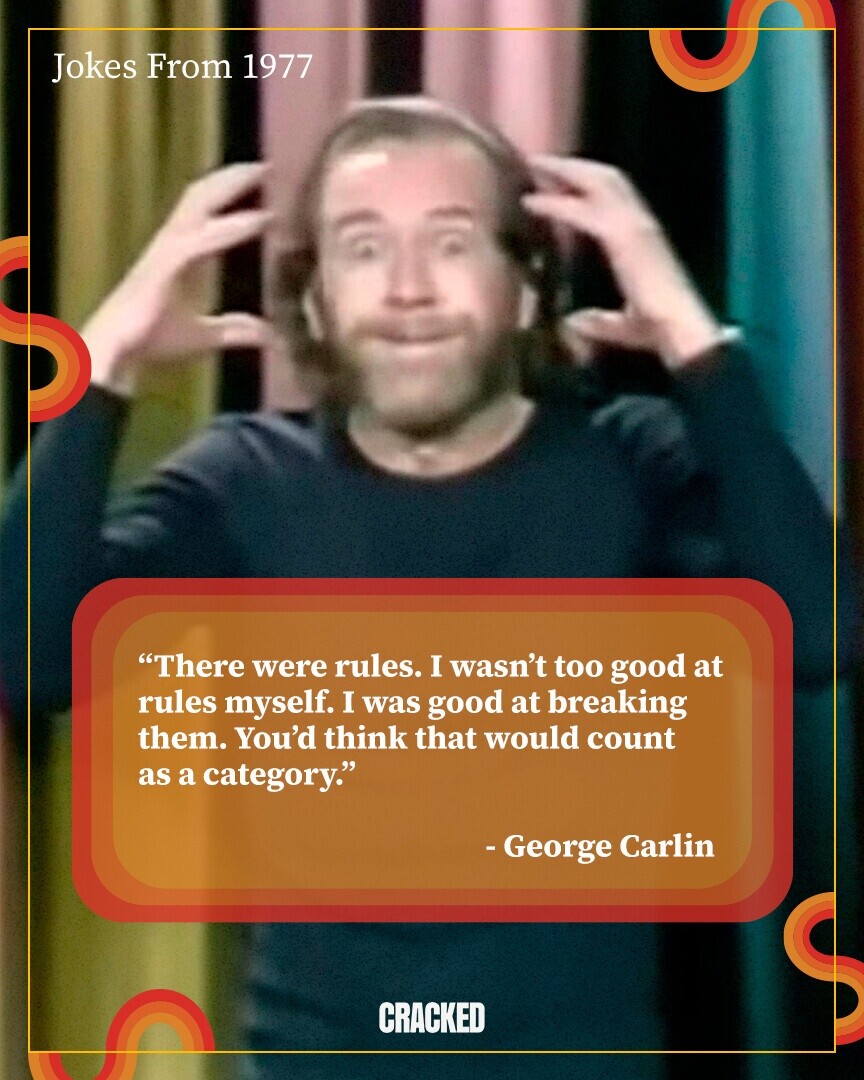
In 1977, he wasn't as sharp as most people know him, but he was still delivering comedy albums and stand-up routines like no other.
Rodney's Doctor
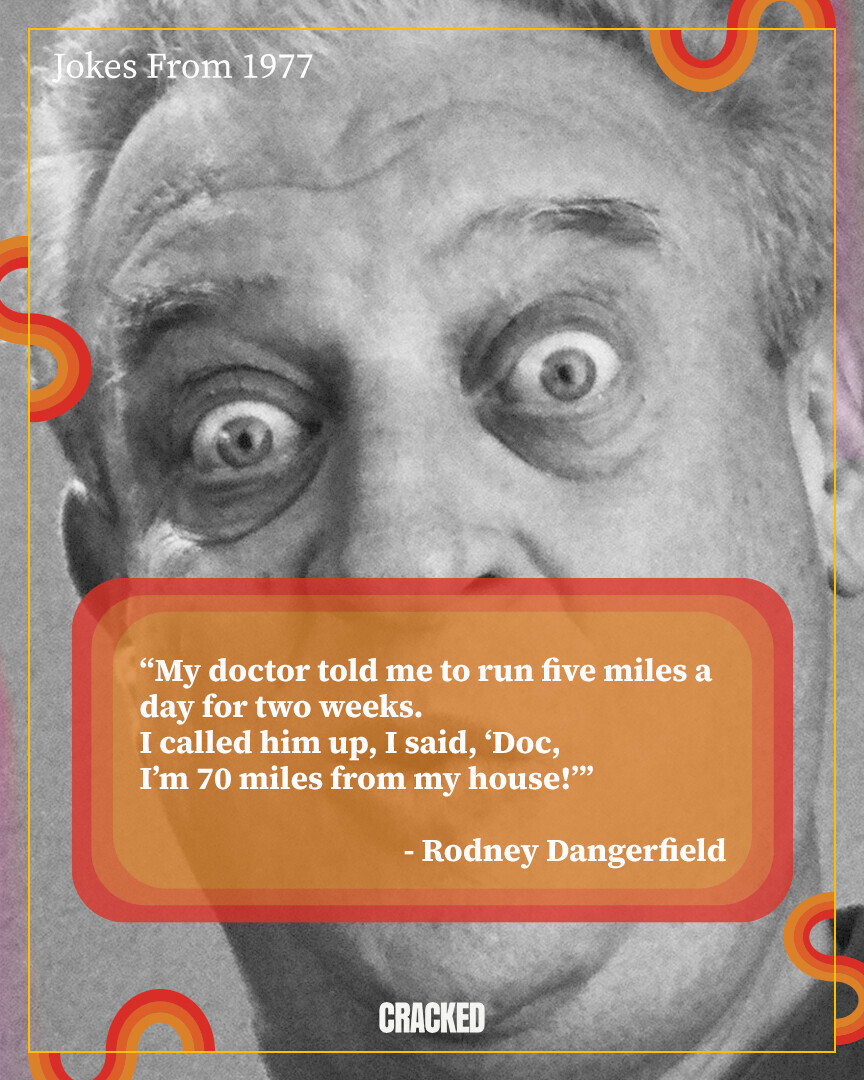
Dangerfield's one-liners for The Tonight Show revolved around very few themes, but he always managed to take the audience by surprise.
Allen's Ascension

Woody Allen made Annie Hall in 1977, which made his career change from stand-up comedian to film director in no time.
Bicentennial Pryor
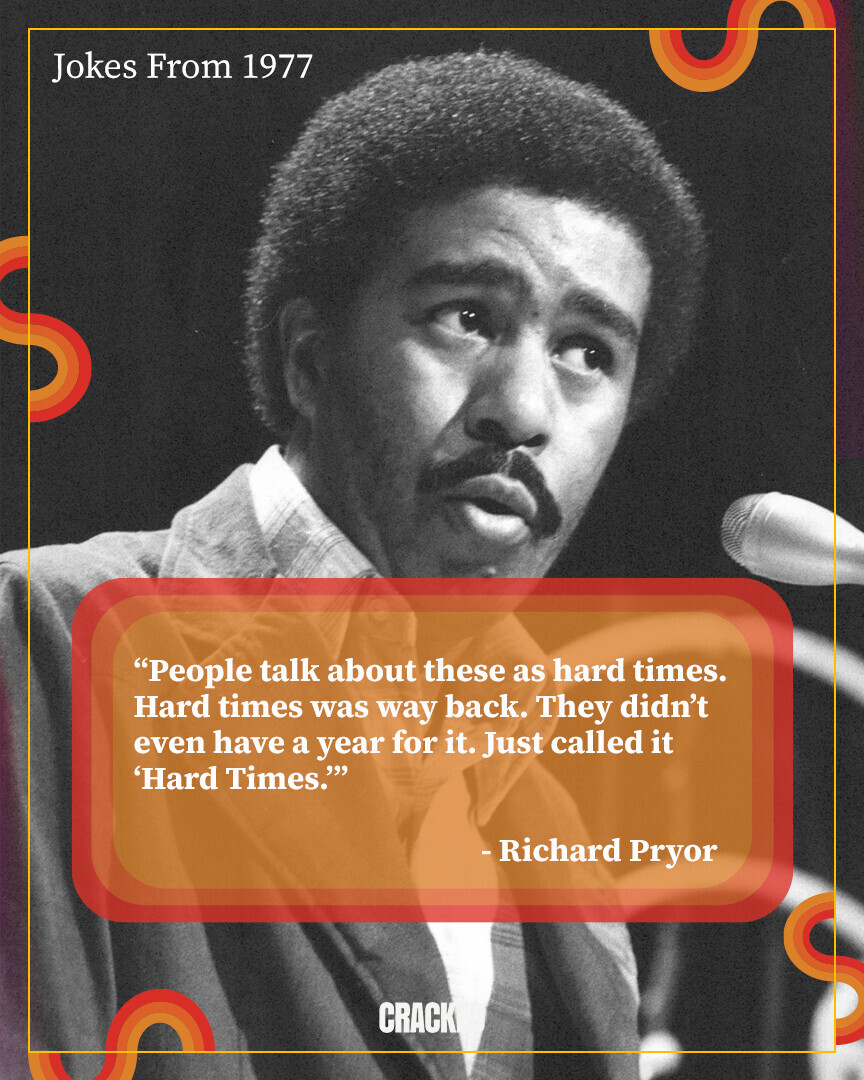
Richard Pryor released a comedy album in 1977 at the peak of his humor.
Unlucky Dangerfield
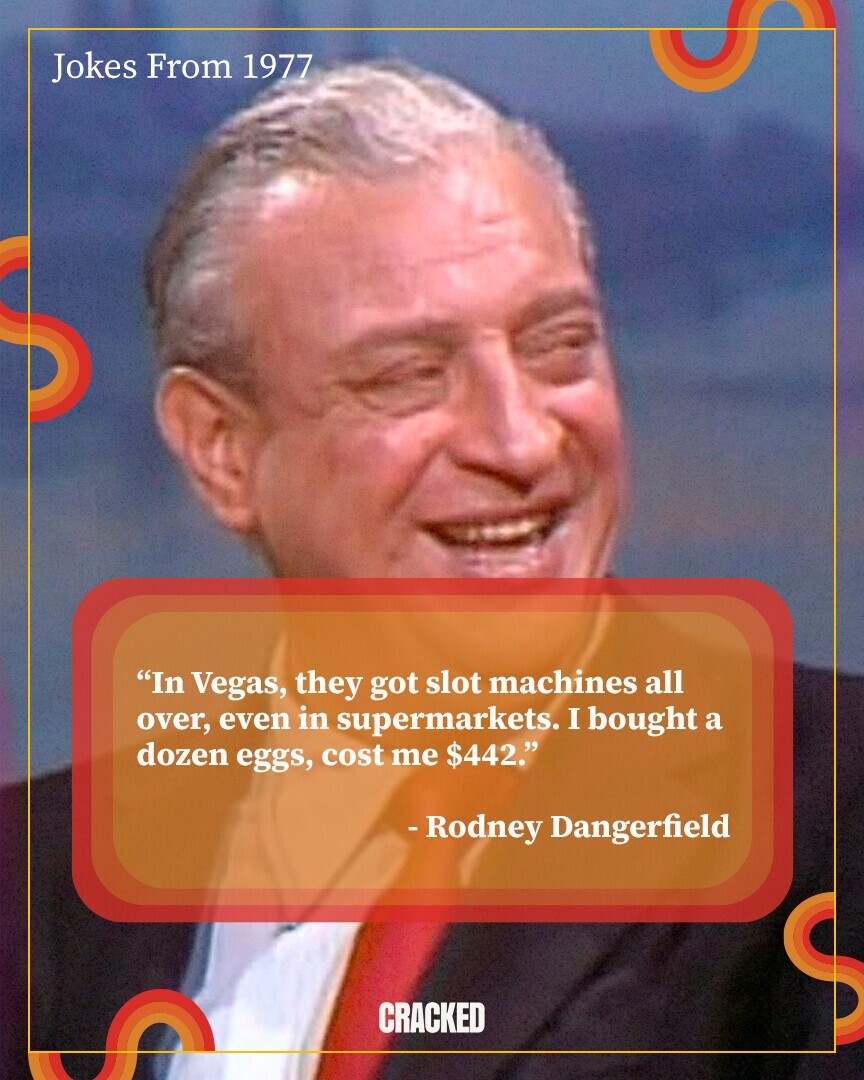
Unlike other comedians who made fun of other people, most of Dangerfield's jokes revolved around his own misfortunes.
Ice-Breaker Carlin
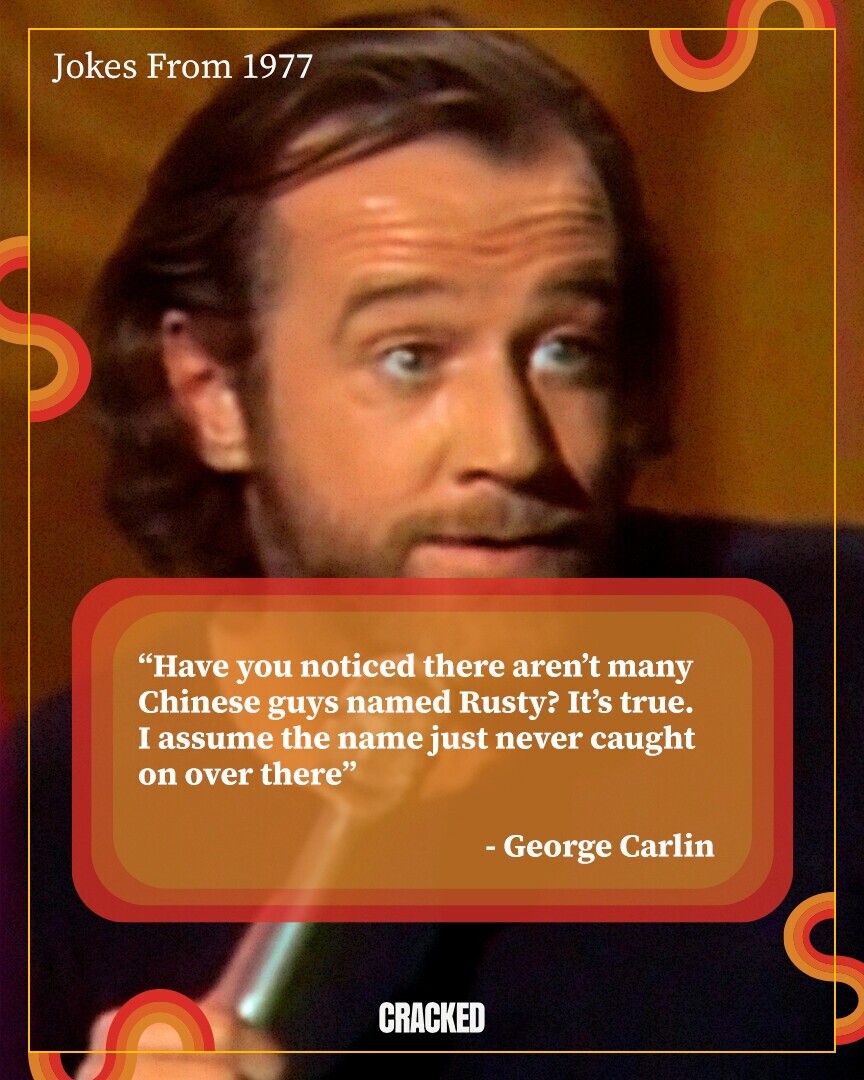
He would start his show with this, setting the tone for the absurdity of his routines.
Allen's True Colors
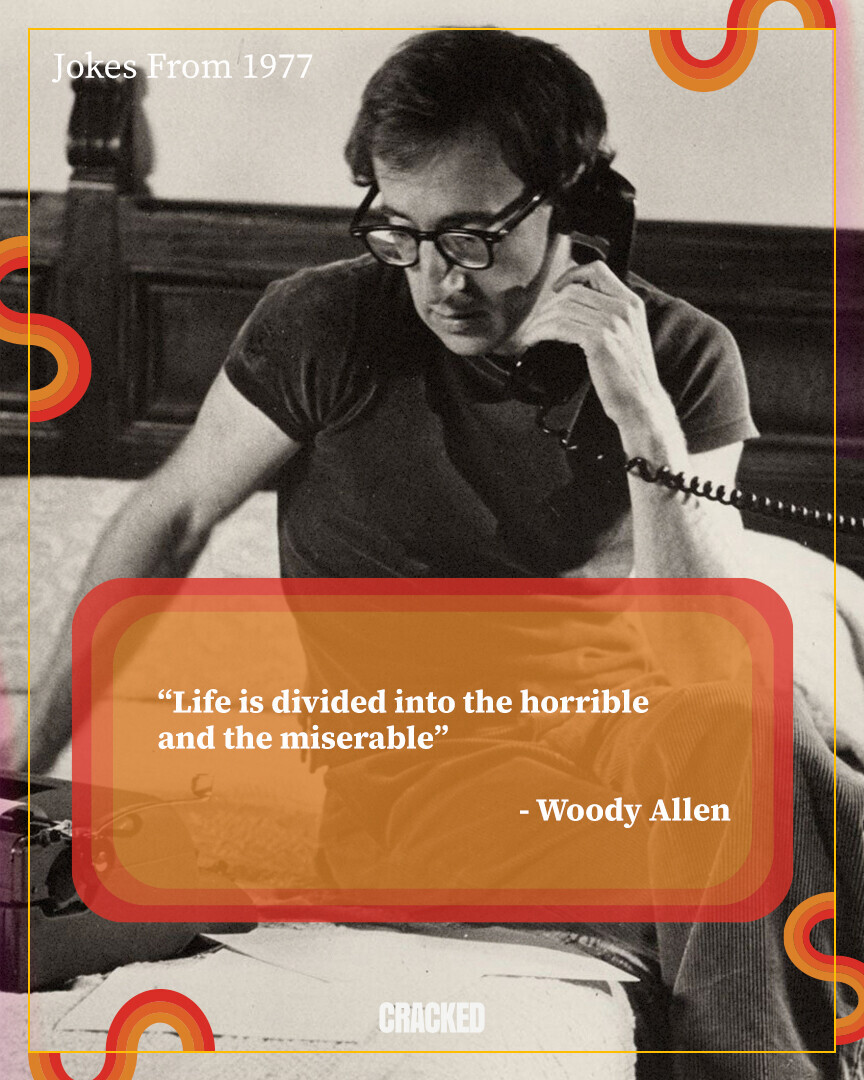
By this time, Woody Allen was leaning fully into his anxious character.
MVP
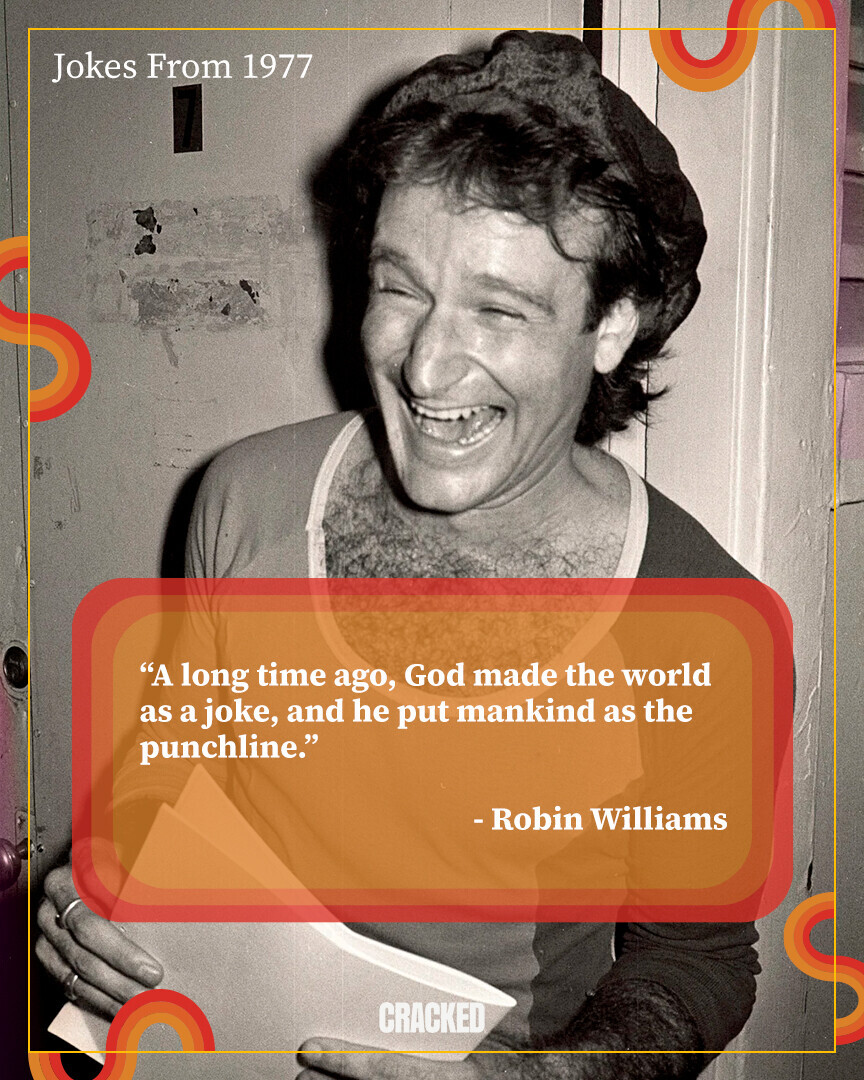
Robin Williams took TV by storm with many unique skits and characters that included sound effects for better punchlines.
Down to Earth
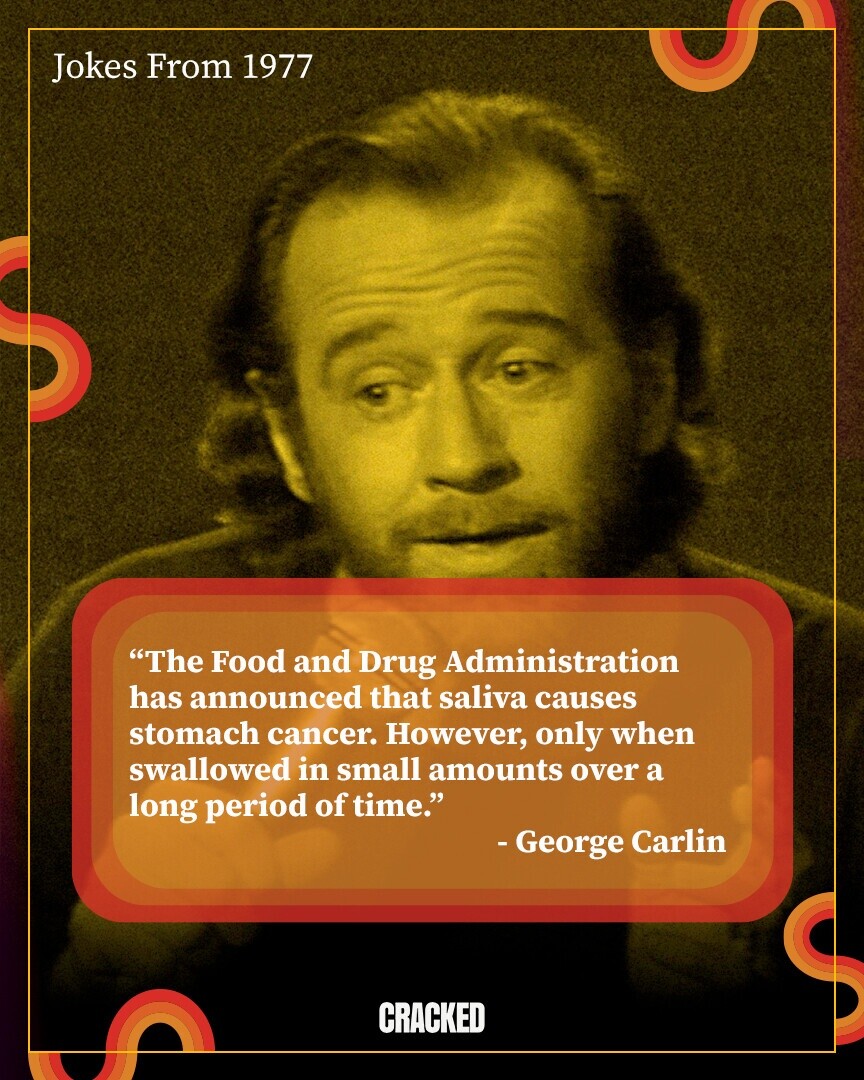
Carlin could talk about really serious issues, especially later in his career, but he always kept his material accessible to all.
No Respect
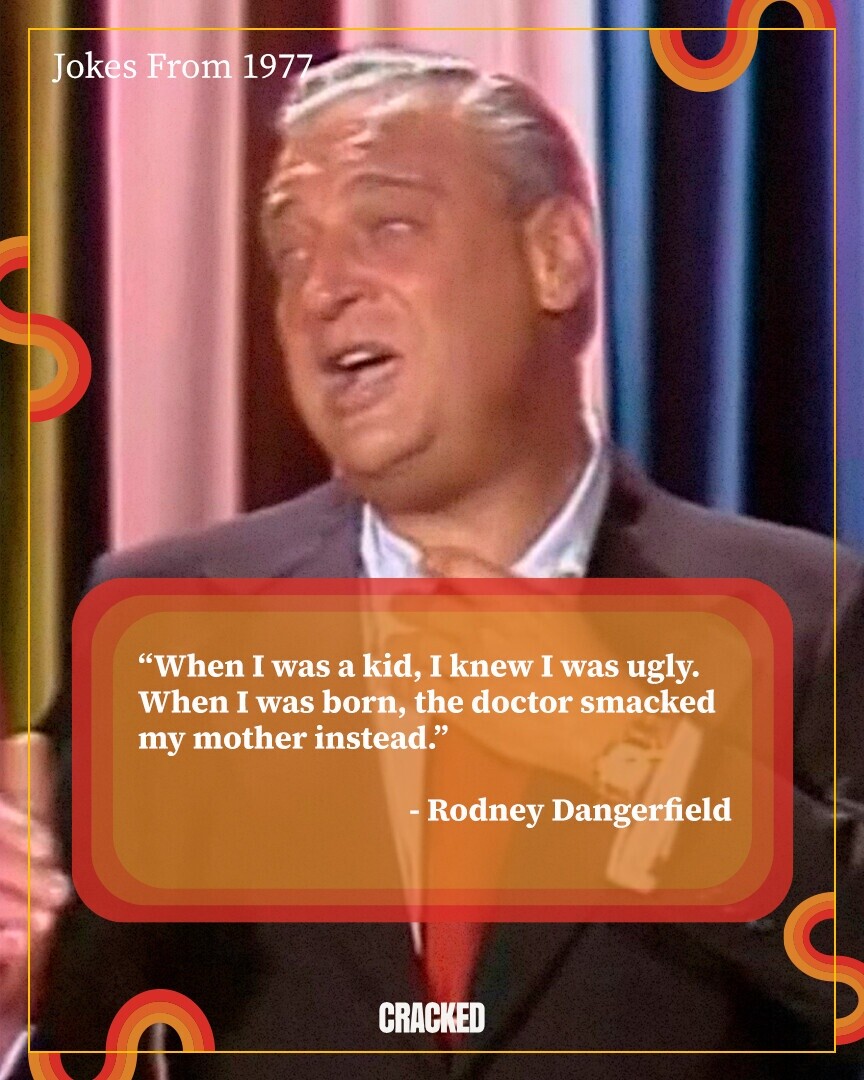
Gotta love the man for always coming up with a new joke about the same thing.
Sharp Carlin
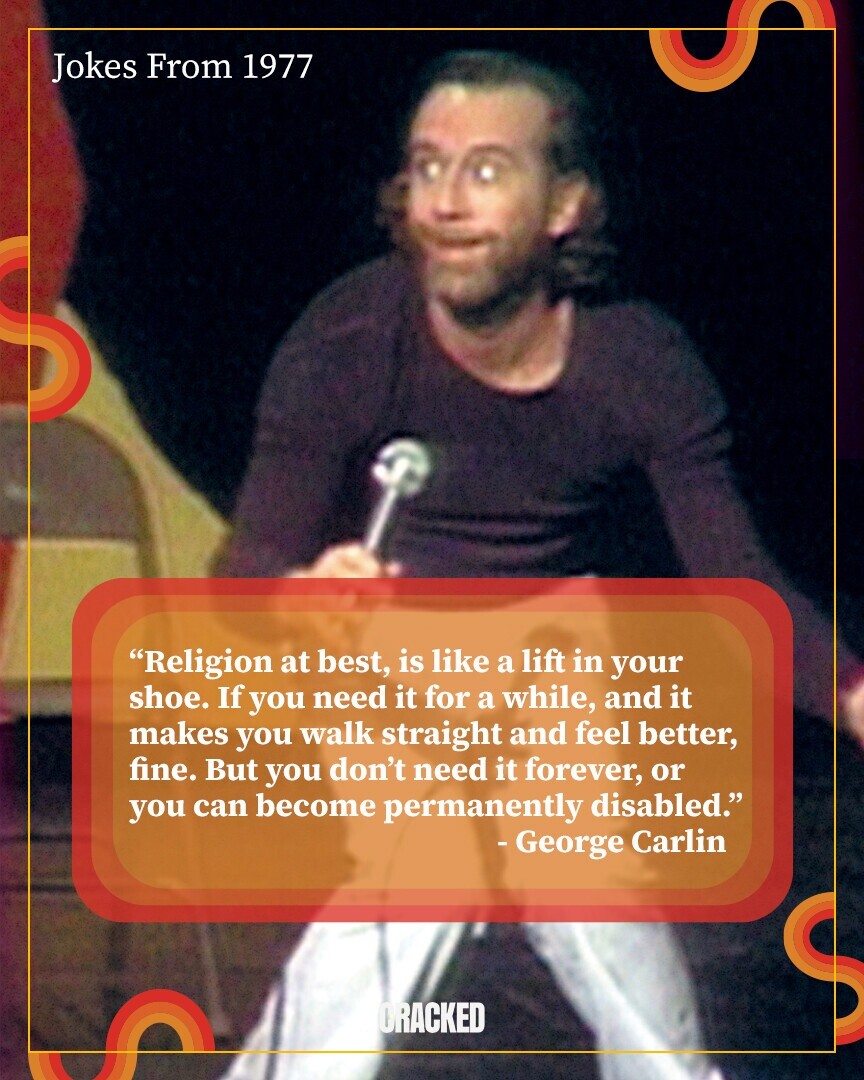
Carlin's routines in the ‘80s and ’90s would get a lot more political after seeing what worked and what didn't in the '70s.
