15 Scientific Breakthroughs That Just Might Not Be Great For Humanity
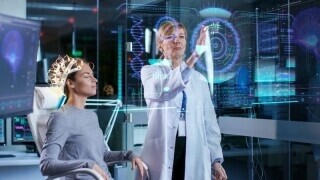
We’re fully aware that there wouldn't be any cool tech or medical science without a never-ending quest for progress. That’s all well and good, but where do we draw the line here, folks?! How far is too far?! These are questions that won’t necessarily be answered here today, but they’ll get you thinking.
After reading some of these, we might honestly head for the hills and start a new life amongst the trees. We’ll bring our laptops and live close enough to snag a good Wi-Fi signal from a nearby cabin, because we do love writing these lists. We just won’t delve any deeper into technology than that. After these 15 worrisome advancements, you’ll probably want to join us. Bring snacks, please!
Hybrid human-AI co-embodied intelligence
University of Liverpool
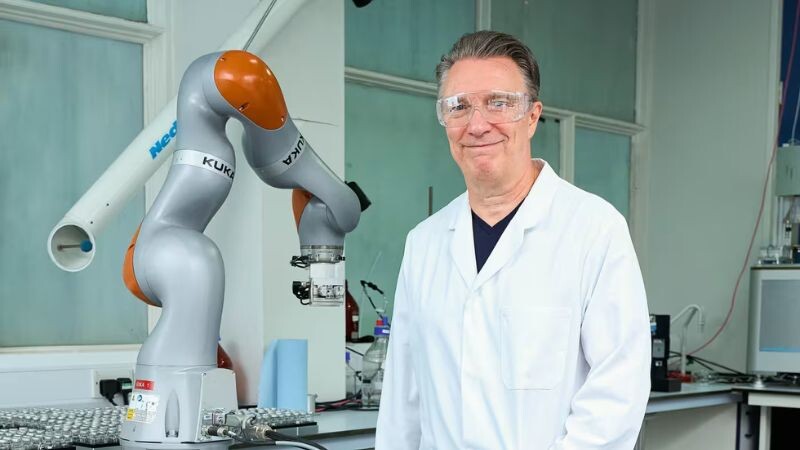
Researchers have begun deploying robots guided by AI to run chemistry experiments, handle materials, data-analysis, and lab workflows. Researcher Andy Cooper said, “At three in the morning the robot will have done 50 experiments, it’s got new data and at 3.01am it can decide what to do next while everyone’s asleep."
Lethal autonomous weapons
Emre Cavdar STM
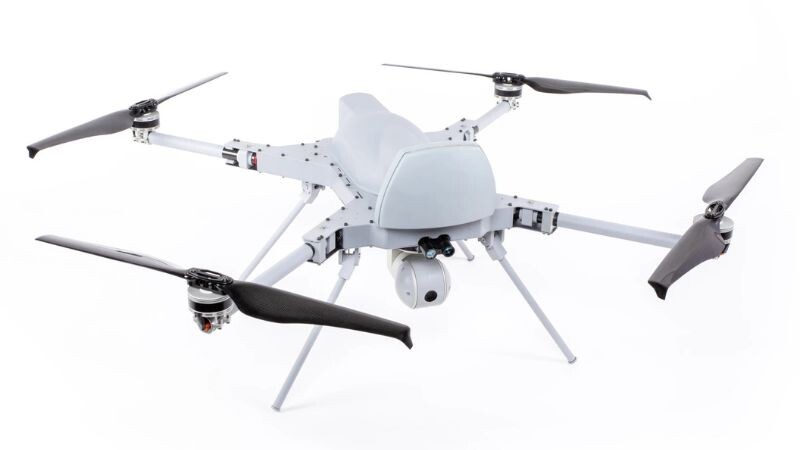
In March 2020, during the civil conflict in Libya, the U.N. reported that “lethal autonomous weapons” were used in combat in a mode requiring no real-time human control. The drones hunted down retreating forces, engaging without requiring connectivity to a human operator. This could possibly be the first documented instance of an autonomous-weapon system being used in actual combat.
Facial recognition quickly turns to facial profiling

Shutterstock
Between 2012 and 2020, Rite Aid deployed a facial-recognition system in hundreds of its stores. The system tried to match customers’ faces against a database of alleged shoplifters or “persons of interest” but it generated many false-positive matches (disproportionately impacting people of color). Innocent customers — including children — were publicly accused of theft, confronted, searched, and even had the police called on them.
We’re very close to mind-reading
Shutterstock
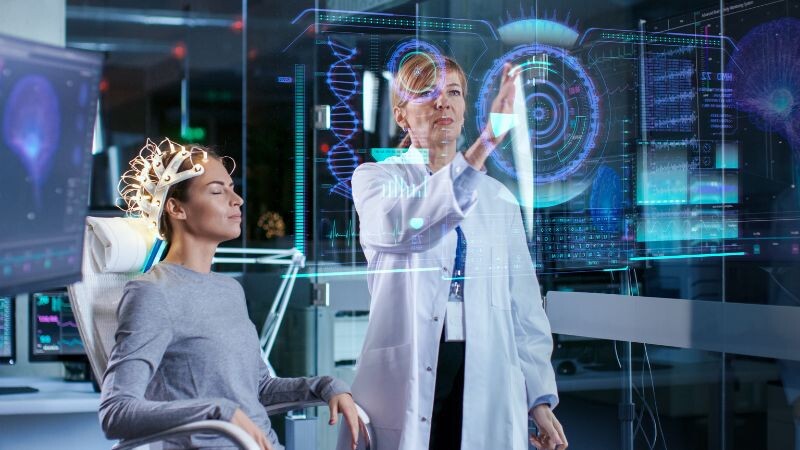
A recent study reports that a new neurotechnology can now predict preconscious thoughts — i.e. indicating what a person is about to think before they consciously realize it. If validated and refined, this could have profound implications for neuroscience, brain-computer interfaces, mental health diagnostics.
Quantum security threats
Shutterstock
Quantum advancements are threatening current encryption methods, and experts warn that quantum computers could crack codes that protect sensitive data. Companies are investing heavily in these areas, aiming to safeguard everything from financial transactions to personal privacy.
Brain-computer interfaces
Shutterstock
The intersection of AI and neuroscience has led to breakthroughs in brain-computer interfaces. These interfaces, enhanced by AI’s pattern recognition, could restore mobility or even augment human cognition, blurring lines between biology and technology.
3D-printed organs
Shutterstock
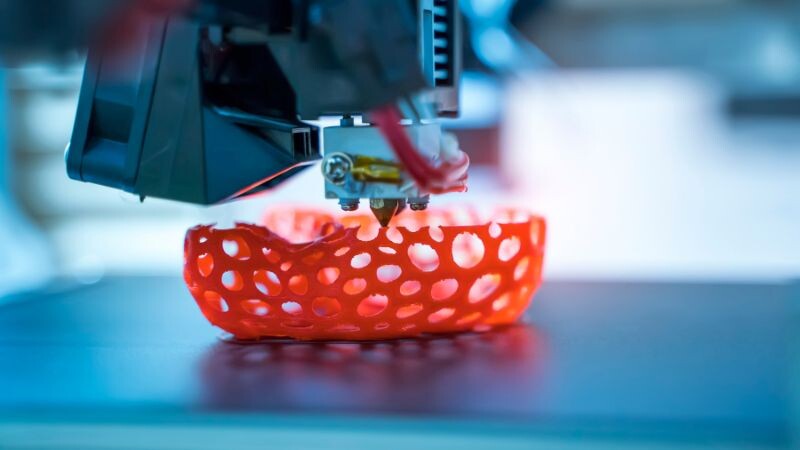
3D printing is rapidly evolving, and one of the greatest advancements is 3D bioprinting. It’s the development of biomaterials, cells, and supporting components for the fabrication of functional living tissues.
Emotional recognition
Shutterstock
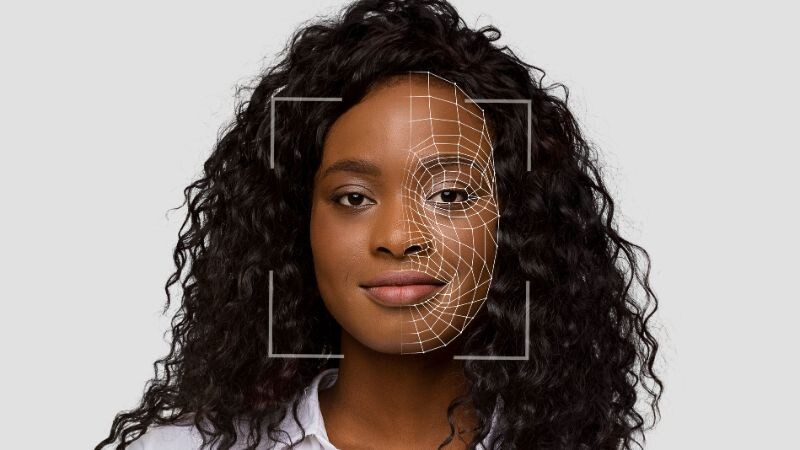
Between 2022 and 2024, Network Rail conducted a trial at several major UK train stations using AI-powered cameras that analyze passengers’ facial expressions and emotional states. They say it was for “customer satisfaction,” but biometric/AI tools knowing what you might be feeling without your knowledge or consent obviously raises ethical concerns.
AI-generated misinformation can ruin lives
After a Maryland principal informed an athletics director that his contract wouldn’t be renewed, the athletics director used AI to create an incredibly convincing racist and antisemitic deepfake of the principal’s voice in an attempt to ruin his career. Many people believed it to be real, but the truth was finally revealed. He was sentenced to 4 months in prison, and authorities say it might be the first case of its kind in the country.
Social credit & behavioral scoring
Shutterstock
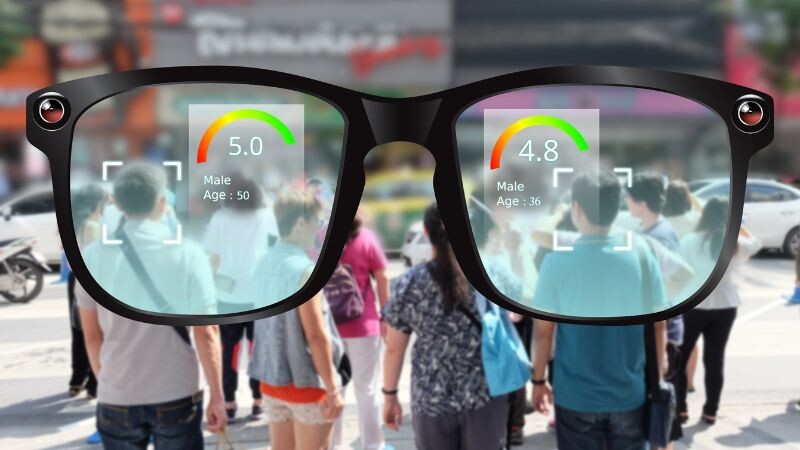
The city of Rongcheng, China piloted a citizen-scoring program where every adult started with a baseline of 1,000 points. Residents could gain or lose points depending on everyday behaviors. High scorers receive discounts, access to facilities, or other perks, while low scorers risk social and civic disadvantages, and being publicly shamed. Some people were reportedly exposed on “billboards” as having failed to meet the “civilized” standards.
AI loyalty or “alignment” scoring for employees
Companies like Delta and Hilton are experimenting with AI that evaluates the “culture fit,” personality, vocal tone, and possible political risk of their employees, which is basically like automated ideological filtering.
The Bionic Bird

Shutterstock
Biomimetic drones are bridging robotics & nature. A recent launch from Lumina Tech introduced AI-enhanced biomimetic aerial robots (a “Bionic Bird” and “Bionic Flying Fox”) that mimic bird/bat flight using flapping wings. They hint at a future where drones can operate with agility & efficiency inspired by biology.
Predictive policing algorithms
Shutterstock
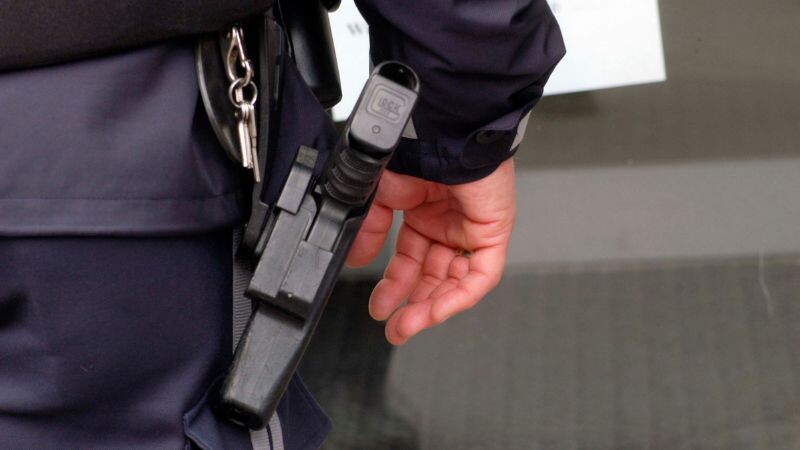
It uses crime data and machine-learning to generate “crime probability boxes,” small geographic areas where police are advised to patrol more frequently. Numerous studies and civil-rights groups raised concerns about bias, feedback loops, and disproportionate policing in communities of color. Los Angeles ended its use in 2020 after audits and public criticism.
Autonomous drones for surveillance and crowd monitoring
4DRC.com
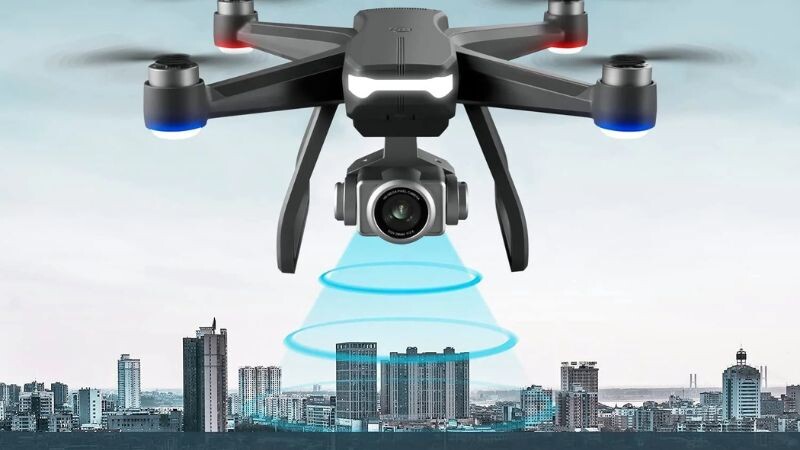
Quadcopters with HD cameras, night vision, and license-plate reading software are already in active use by governments and companies.
“Chemputation”
The company ‘Chemify’ was founded in 2022 by Professor Lee Cronin, and is creating a new digital foundation for chemistry. Their “Chemputation” is a universal chemical programming language combined with robotics and AI. It translates digital code into real molecules, transforming how medicines and materials are discovered and made.
