15 Animation Innovations from the Last 30 Years of Pop Culture History
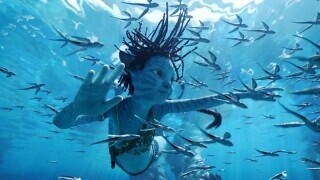
As we hit Toy Story’s 30th anniversary, we thought about how far animation has come. No disrespect to the O.G., but after a recent rewatch, we definitely noticed how far it's progressed since 1995. At the time, we can’t stress enough how groundbreaking it truly was. They even awarded John Lasseter a special Oscar for “the development and inspired application of techniques that have made possible the first feature-length computer-animated film.” Yeesh, that’s a mouthful for the presenter.
As it is with every form of technology, animation and CGI quickly rose to new heights. The entry from 2025 on this list is enough to make any tech nerd’s head spin. From the birth of computer animated films to The Death of Film itself, here are 15 innovative moments in the evolution of animation.
Pixar gets the Luxo ball rolling
Pixar Animation Studios
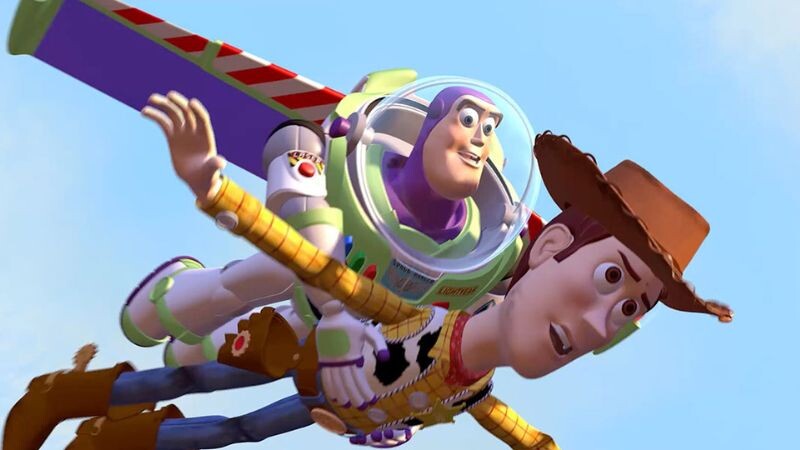
After creating the first ever CGI short film The Adventures of Andre and Wally B., Ed Catmull, John Lasseter, and everyone at Pixar set their sights on something huge. 1995’s Toy Story was more than just a great movie, it was a technological feat that completely revolutionized the animation industry.
Marvin the Martian in the Third Dimension
Warner Bros.
Premiering in June 1996, it was the first computer-animated short film to be viewed with 3D glasses. Even though it was a classic 2-D animation, computer animation was required to render the 13-minute short in full 3-D. The trick was in not sacrificing the traditional look of the Looney Tunes characters.
Star Wars Episode One: The Phantom Menace
LucasFilm Ltd.
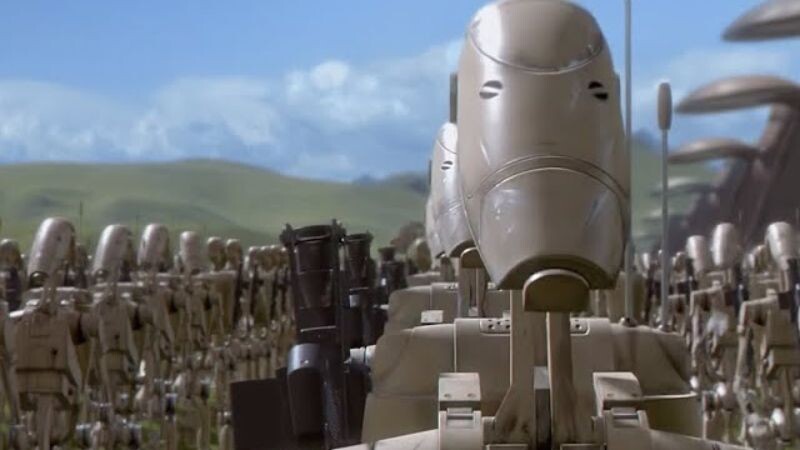
This 1999 Star Wars installment was the first non-animated feature film to use CGI extensively throughout. This included backgrounds, vehicles, people, and even supporting characters in scenes with real actors. The realistic animations set a new course for blockbuster filmmaking.
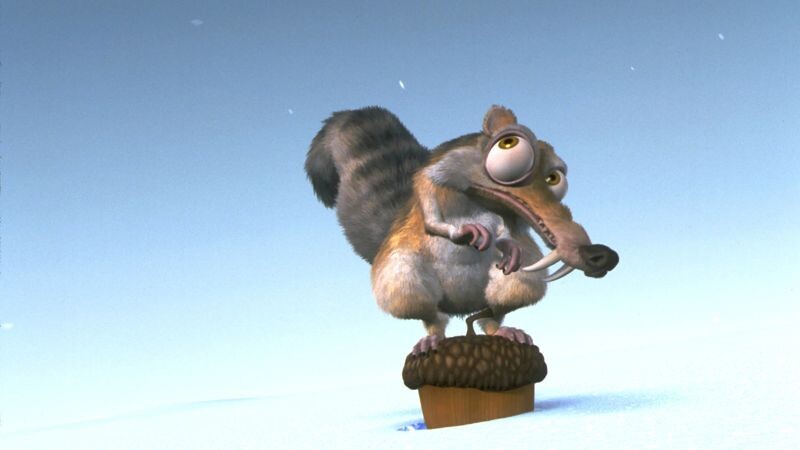
Ice Age
20th Century Fox
2002’s Ice Age was the first feature-length animated film to be exclusively rendered using a ray tracer. At the time, Pixar relied on manual "cheats" to simulate natural lighting, but Blue Sky Studios used their in-house software to simulate the physical behavior of light rays for realistic shadows, reflections, and refractions through transparent objects (like ice).
The Matrix Reloaded
Warner Bros.
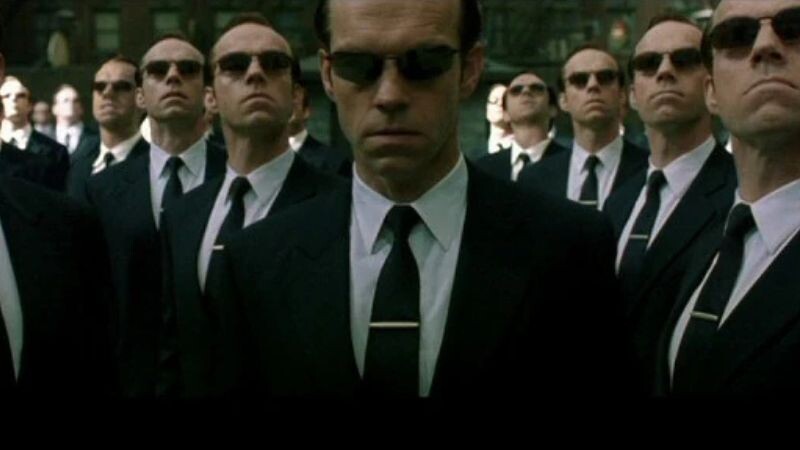
2003’s The Matrix Reloaded was the first film to utilize universal capture or “image-based facial animation” to create digital lookalikes. By capturing high-resolution facial details and expressions from actors, it reproduced their visage in CGI. It replaced the need for physical camera rigs in many instances, allowing for a truly “virtual camera.”
10Polar Express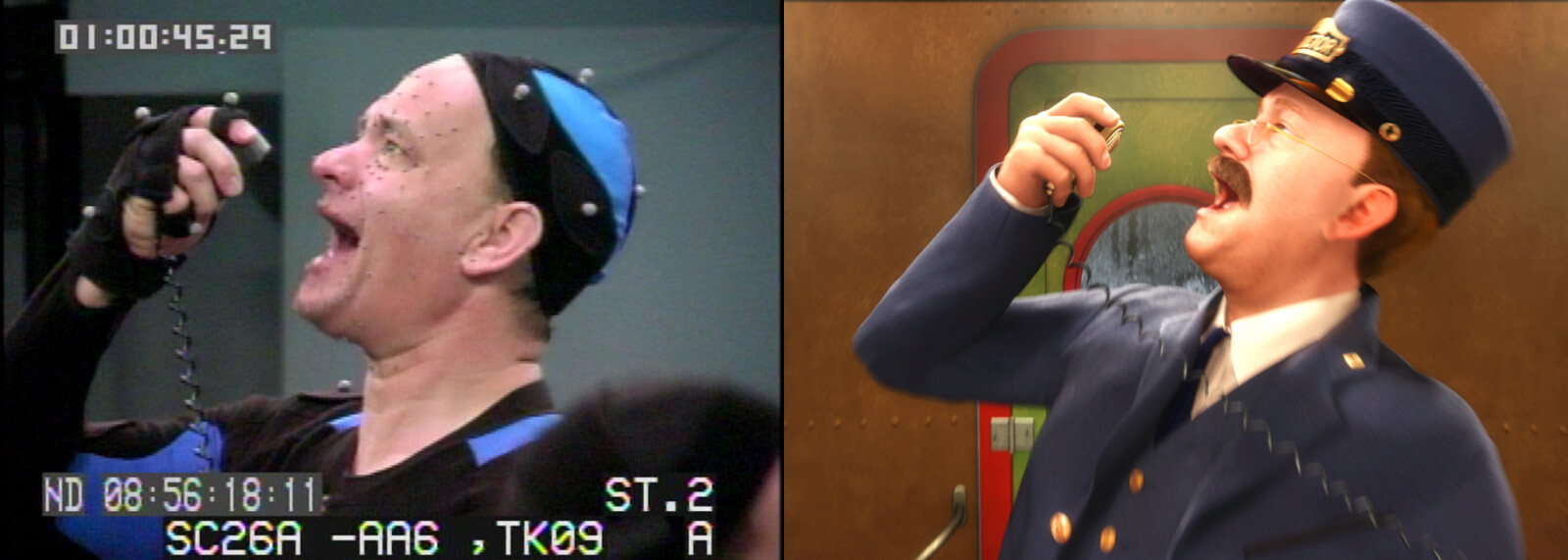
Wikimedia Commons
2004’s Polar Express was the first 3D computer-animated film created using motion capture to make the characters appear more human. Sensors digitally recorded every movement and facial expression of an actor to create a virtual character.
Sky Captain and the World of Tomorrow
Warner Bros
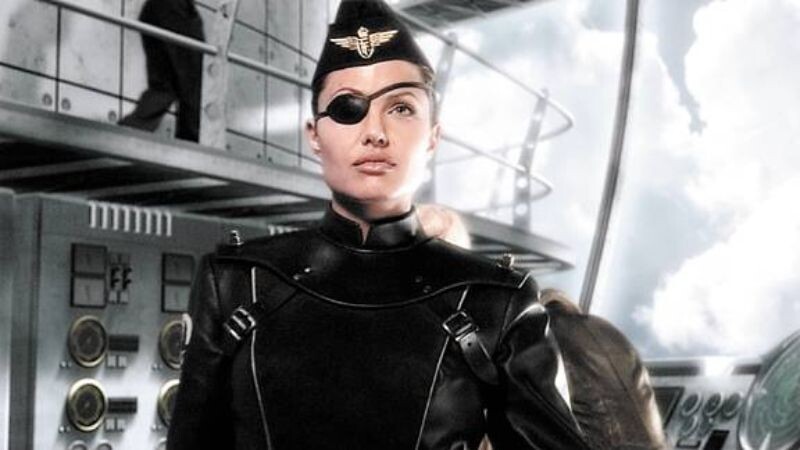
2004’s Sky Captain and the World of Tomorrow was the first movie made using all CGI backgrounds with live actors. The actors filmed their scenes entirely in front of green screens without any background sets. We know this doesn’t seem like anything special today, but back then… Wow!
Cars
Pixar Animation Studios
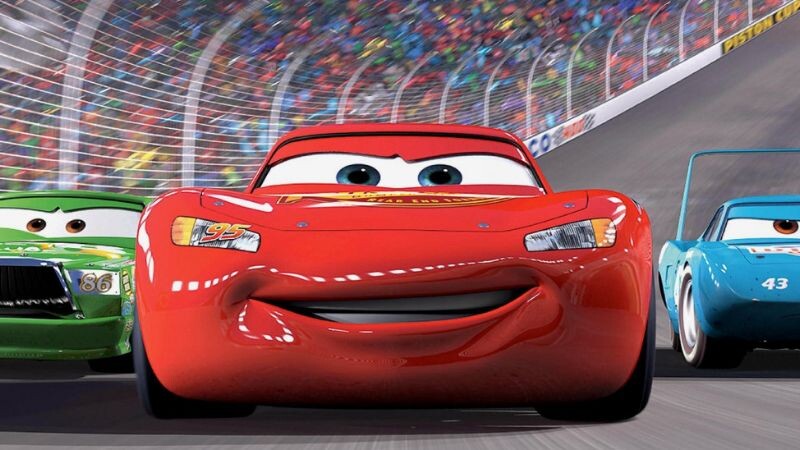
Back in 2006, Cars used 1,000 times the computing power of the systems that rendered Toy Story. This allowed Pixar to animate more complex interactions between objects, reflections and realistic imperfections. The racetrack scenes also have more characters seen in a single shot than any Pixar production before or since.
Avatar
IMDb
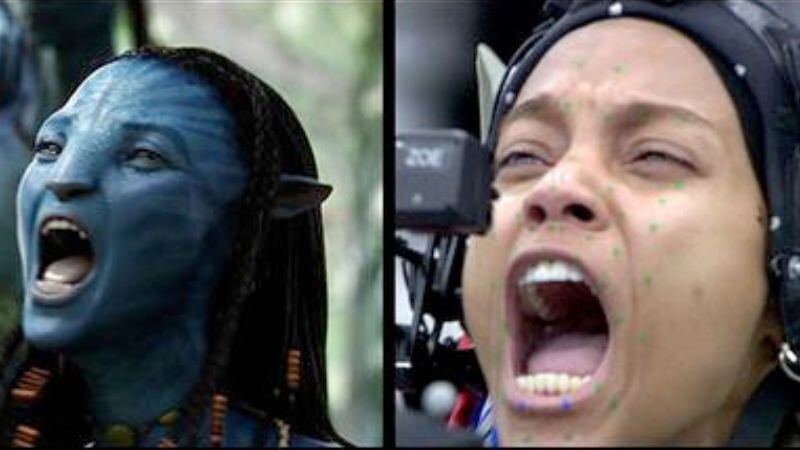
2009’s Avatar was the first feature-length film to include an entire 3D, photorealistic world — including characters, creatures, landscapes, and more. It also had humans and CG characters interact more realistically than ever before.
Up
Pixar Animation Studios
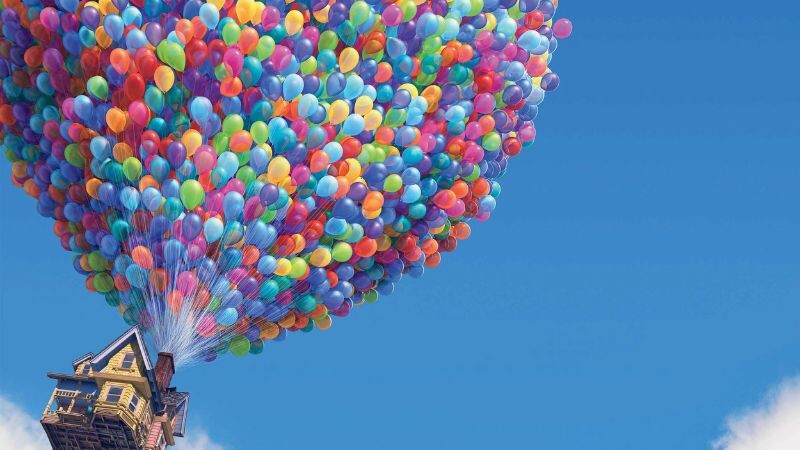
Besides traumatizing us in its first 10 minutes, 2009’s Up was another technical triumph for Pixar. There are 20,622 individual balloons lifting Carl’s house when it first becomes airborne, and 10,297 balloons during the floating sequences. It was the first Pixar movie to use Disney Digital 3-D, which added depth and detail that wasn't possible with traditional animation.
ParaNorman
Focus Features
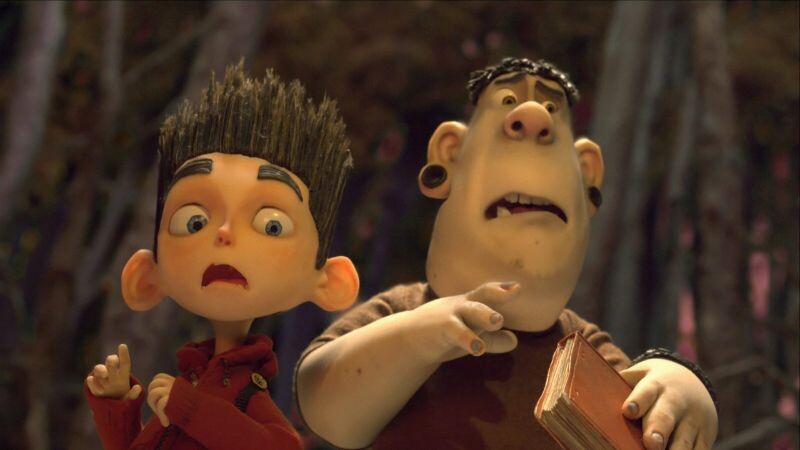
2012’s ParaNorman was the first stop-motion film to use full-color 3D-printing. It revolutionized stop-motion animation by enabling a vast range of facial expressions and lifelike details like freckles, makeup, and beards. The main character Norman has over 1.5 million possible facial expressions that spring forth from thousands of 3D-printed parts.
Tangled
Walt Disney Animation
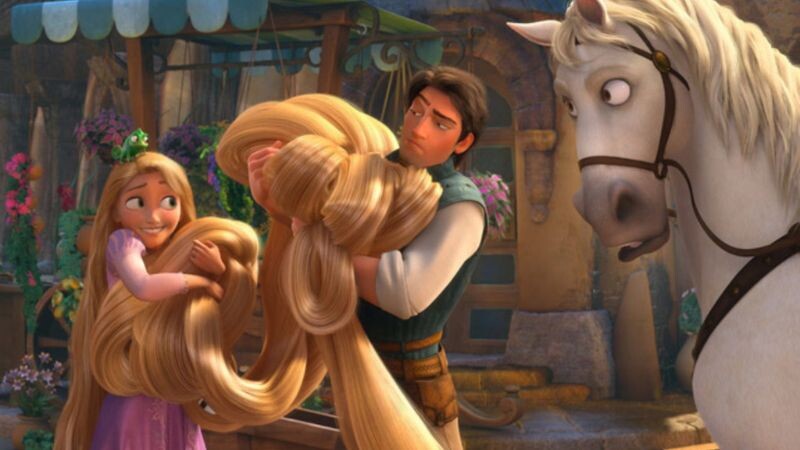
XGen is an animation software that creates hair, fur, and vegetation. Developed by Disney and first-used in Tangled, it marked a leap in realism by matching the natural flow of things like hair, grass blades, and leaves.
Spider-Man: Into the Spider-Verse
Sony Pictures Animation
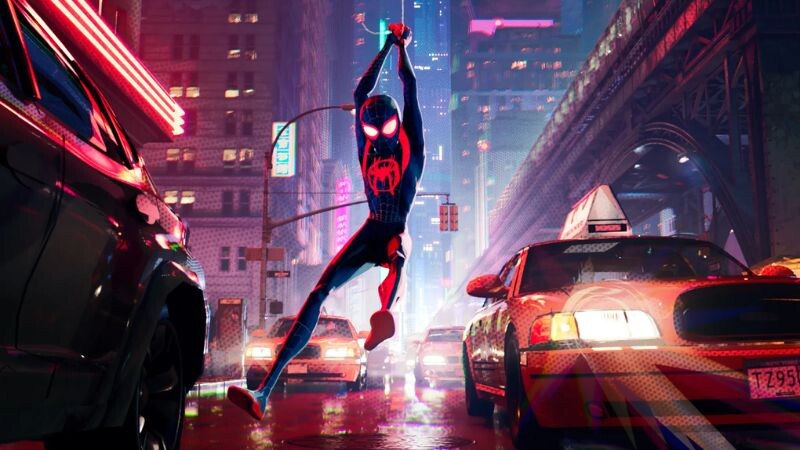
To achieve the comic book illustrative style with CGI, Spider-Verse was the first movie to heavily use machine learning on artist-generated images. Pav Grochola and Ian Farnsworth were the co-effects supervisors who won the Oscar for Best Animated Feature.
Avatar: The Way of Water
20th Century Studios/Walt Disney Studios Motion Pictures
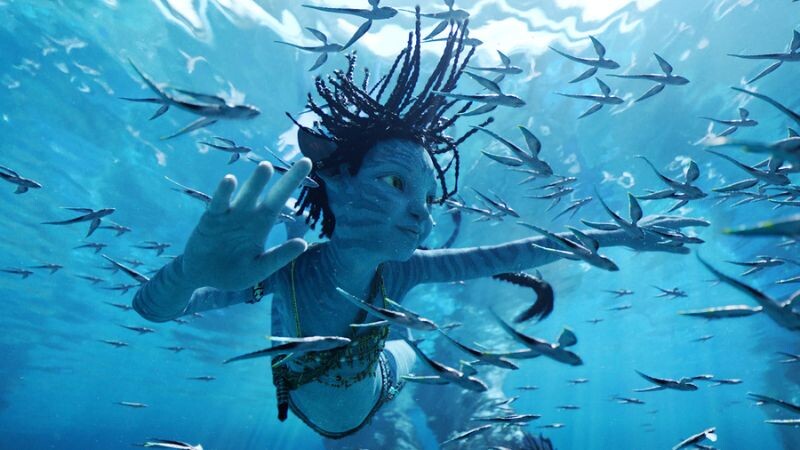
The Avatar sequel in 2022 has the first-ever use of underwater motion capture to get realistic water simulations. This innovation helped earn the film an Oscar for Best Visual Effects.
The Death of Film

IMDb
Created by producers Samuel Felinton, Damien Dennis, and Declan Mungovan, The Death of Film now holds the record for the longest animated film, with an insane runtime of 856 hours. The film's core content was AI-generated, but it’s not as evil as it sounds. The project was conceived as an experimental feature exploring the "gradual demise of cinema," with all proceeds pledged to the Animation Guild, advocating for human animators and traditional animation methods in the age of AI and CGI dominance.
